
In the aluminum smelting and deep processing chain, a hidden but critical bottleneck often affects companies. Why do aluminum ingots from the same batch often become scrap later? This can happen during extrusion, rolling, or casting. Surface cracks or high porosity often cause it.
The root cause often lies not in the purity of electrolytic aluminum. It often lies in the “first line of defense” during casting.
That first line is the design of the aluminum ingot mold. The ingot’s surface and internal quality directly affect the yield rate of later processing and its service life. As the core element controlling the solidification of molten aluminum, mold design directly influences crystallization uniformity, porosity, and crack control.
To address this, the article draws on frontline metallurgical engineering experience. It provides an in-depth exploration across five core areas.
These are mold materials, cooling systems, geometric design, maintenance, and quality inspection. Here, we offer practical technical solutions to overcome aluminum ingot defects. 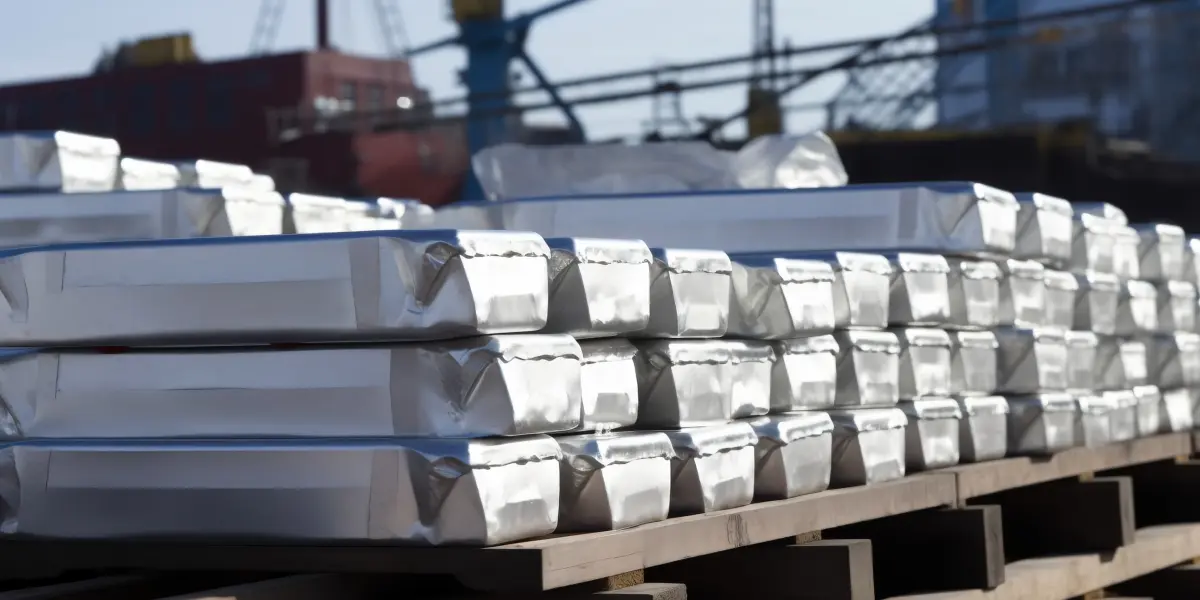
In-Depth **Analytical**: Selection of High-Performance Mold Materials and Surface Treatment Technologies
Optimizing aluminum smelting molds depends on balancing hardness, thermal conductivity, and thermal fatigue resistance in wear-resistant steel. If heat conduction in the mold is uneven, macroscopic segregation can occur as molten aluminum solidifies. This can cause serious ingot surface defects, such as scratches, cold shuts, and oxide scale.
To prevent direct sticking between molten aluminum and the mold surface, modern processes use surface coatings and graphite linings. They also use precise anti-oxidation treatments.
This “base material + high-performance surface modification” combination extends mold service life. It also reduces aluminum ingot porosity and improves grain uniformity. It does this by optimizing interfacial heat transfer. Whether we flexibly modify molds for aluminum ingot production or use high-end casting lines, material innovations matter.
New surface treatments also provide a key technical base for longer aluminum ingot service life.
Key Challenges: Optimization of Dynamic Cooling Systems and End-to-End Water Flow Control
During aluminum ingot casting, heat removal acts like a “steering wheel” that guides the microstructure as the metal crystallizes. Industry experience shows that poor temperature control often causes cracks, shrinkage cavities, and macrosegregation in aluminum ingots. Therefore, the key to optimizing aluminum casting molds lies in creating a highly precise and uniform cooling field.
In modern practices at advanced independent plants, a high-quality mold must include a spray system. Design the spray system using careful fluid dynamics calculations.
Through digital control of water flow, it ensures the molten metal cools evenly along the solidification front.
This prevents stress from local overcooling and keeps feeding channels open during local overheating. At the same time, modern production facilities often use smart temperature control systems and strict water quality management. This approach helps prevent heat transfer losses caused by calcium and magnesium scaling.
These broad technology upgrades, aligned with top standards, prevent casting defects at the source. They also boost durability and improve processing stability. They serve as the strategic technological cornerstone for major production bases to extend the service life of aluminum ingots.
Digital Transformation: Precise Alignment of Mold Geometry Optimization and Casting Parameters
In materials science, the flow of molten aluminum during solidification directly affects the quality of the final microstructure. Optimizing aluminum casting molds cannot rely only on trial-and-error methods. Instead, it must use careful mold geometry optimization and 3D simulations of molten aluminum flow.
Scientific mold cavity design helps control the liquidus line. Along with casting speed, pouring height, and pouring temperature, it forms the “golden triangle” of high-quality casting.
Through digital simulation, engineers can predict molten metal flow speed and heat transfer in the mold. Before production, this helps prevent gas entrapment from local turbulence or unstable filling. This refined control deeply integrates geometric design with dynamic process parameters.
It effectively manages segregation and porosity within aluminum ingots, eliminating casting stresses before they manifest. For independent platform users who want a strong edge, this data-driven technical approach is essential. It helps boost yield rates and durability. It also supports longer service life for high-end aluminum ingots.
Industrial Perspective: Mold Maintenance Standards and Full Lifecycle Management Systems
In a busy foundry that runs at high intensity all the time, even small wear or tiny heat cracks can happen. These problems can cause surface defects on the aluminum ingot. Thermal distortion can make these defects worse.
Therefore, what sets top independent foundries apart worldwide is not only precise initial design. Also strict maintenance standards and systematic lifecycle management apply.
en best practices require foundries to establish scientific preventive maintenance plans. By adopting high-precision mold wear detection technology. Workshops can dynamically monitor the physical wear of mold cavities and liners.
Implementing regular polishing and graded grinding promptly removes fatigue layers formed by long-term thermal erosion. Breaking the vicious cycle of “aluminum adhesion” and scoring defects.
Simultaneously, by integrating modern industrial IoT data logging and lifespan prediction systems. It becomes possible to accurately predict the service limits of molds. Achieving a transition from “reactive repairs” to “proactive prevention.”
This improved control of asset quality keeps aluminum ingot surfaces consistent across the production cycle. It also extends mold service life and reduces production downtime. This represents a systematic guarantee for achieving core aluminum ingot durability and a high ROI.
Data-Driven: Non-Destructive Quality Inspection and Closed-Loop Mold Parameter Feedback
As the metallurgical industry advances toward smart manufacturing. Leading independent foundries no longer view quality control as a mere “final checkpoint.” Instead, they have transformed it into the “data source” for evolutionary algorithms.
Establishing a non-destructive testing process that covers aluminum ingot surface inspection, ultrasonic testing. And even X-ray analysis of microstructure is key to detecting hidden casting defects.
Through frequent segregation monitoring, the quality inspection system not only eliminates non-conforming products. But also provides real-time feedback on data regarding concentrated porosity and porosity to the upstream process chain.
This means we use each inspection result to improve the current aluminum ingot mold design. We also adjust the cooling intensity. We may change the pouring speed.
Frequently Asked Questions (FAQ) and Industry Summary
Q: Why is mold design considered the key to improving the durability of aluminum ingots and controlling defects?
A: Mold design dictates heat flux distribution during metal solidification. Precise, advanced mold design ensures even grain crystallization. It also serves as the main physical defense against casting defects like porosity and macrosegregation. This means that the subsequent processing lifespan of aluminum ingots is determined at the source.
Q: How can companies achieve long-term, sustained stability in aluminum ingot quality?
A: Companies must move beyond isolated process improvements and adopt a systematic, end-to-end management philosophy. This involves integrating material selection, geometric optimization, cooling control, daily maintenance, and inspection feedback into a unified system. In practice, companies should proactively establish a full-lifecycle database for molds and implement standardized, regular maintenance schedules. They should also use quality inspection data to retroactively adjust casting parameters, thereby creating a dynamic, closed-loop system for parameter optimization.
Summary
In summary, improving the durability of aluminum ingots is a multidisciplinary, systematic endeavor.
Through end-to-end digital closed-loop management and robust process upgrades. Companies can not only achieve efficient control of aluminum ingot defects. Build a professional, authoritative brand moat in global supply chains through flawless quality. This ultimately leads to true optimization of aluminum ingot processing.