
For aluminum profile manufacturers, rising aluminum prices are not just a concern for the procurement department. Raw material costs are part of the product cost structure.
Production processes like extrusion, heating, heat treatment, cooling, and surface treatment need constant energy
So, what can aluminum profile manufacturers do in the face of rising aluminum prices?
For most manufacturers, the best long-term approach is to improve efficiency per unit of output. They should also reduce energy use and material waste. They can use digital tools to optimize production processes.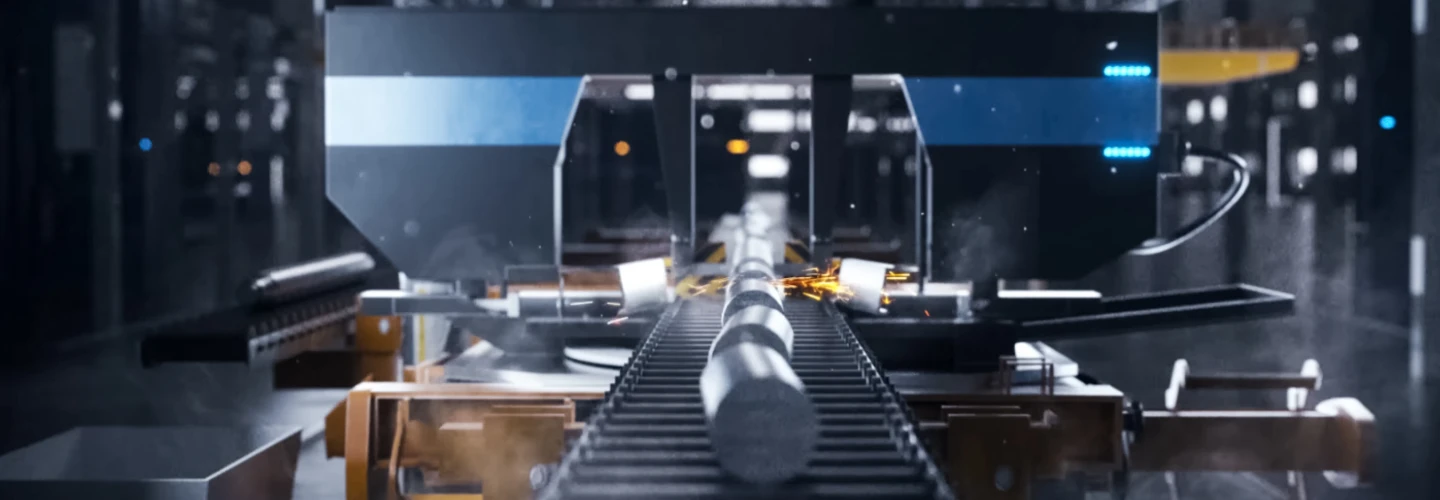
Why are aluminum profile manufacturers under such intense pressure when aluminum prices rise?
This is because aluminum profile makers often work in the mid-to-downstream parts of the industry.
Many companies set their prices based on aluminum prices, as follows:
Product price = Aluminum price + Processing fee + Other costs
On the surface, it seems that rising aluminum prices could be passed directly on to customers.
However, the reality is not that simple, especially when companies are faced with:
Long-term contracts
Fixed-price contracts
Intense competition due to product homogeneity
Customers pushing for lower prices
Limited room for processing fee adjustments
then the cost pressure resulting from rising raw material prices cannot be fully passed on to customers.
The end result may be:
Rising aluminum prices → Increased raw material costs → Difficulty raising product prices accordingly → Declining profit per metric ton.
In the face of these challenges, “high-efficiency production” is a more realistic solution for aluminum profile manufacturers.
When confronted with rising raw material prices, companies typically have several options:
raising prices, hedging through futures, sourcing lower-cost raw materials, or reducing production costs.
While the first few approaches each have their merits, they all have certain limitations.
In contrast, improving production efficiency is a variable that companies can consistently control on their own.
True high-efficiency production should include:
Lower energy consumption per unit
Higher material utilization
Lower scrap rates
Less downtime
Higher equipment utilization
More stable product quality
Fewer repetitive manual operations
As for how to achieve efficient production, the following aspects deserve attention
1.Upgrade Production Equipment: Shift from “Being Able to Produce” to “High-Efficiency Production”
In the future, aluminum extrusion equipment competition will not focus only on tonnage and speed. It will focus more on energy use per unit, stability, and total production costs.
2.Optimize Energy Systems: Don’t Let Energy Costs Become Hidden LossesImproved equipment efficiency → Reduced energy consumption per unit of output → Lower production costs → Simultaneous reduction in carbon emissions
Material utilization is also crucial to the profitability of aluminum profile manufacturers.
Raw Materials:
During production, factories must monitor the purchase price of aluminum billets. They must also watch for issues during manufacturing.
These issues include extrusion head and tail scraps and defective products. They also include cutting losses and surface treatment losses. They include non-conforming products and process waste.
Material Recycling:
Production scrap → Sorting → Recycling → Remelting → Aluminum ingots/bars → Re-entry into production
Aluminum can be recycled and reused in production, so, scrap is also a reusable resource.
How should aluminum profile manufacturers develop efficient production plans?
Step 1: First, identify the largest sources of costs
Step 2: Determine which equipment is most worth upgrading
Step 3: Focus on improving product utilization rates