
In the aluminum extrusion industry today, choosing the right melting furnace for your production size matters.
It can affect how competitive your company is. Aluminum profile production imposes extremely high demands on metallurgical quality.
The main goal of smelting is not just to melt aluminum ingots or scrap. It is to control alloy composition, keep the melt pure, and maintain even temperature. These factors directly ensure good surface quality and strong mechanical properties in the final extruded products.
This article will break down how to choose the best aluminum smelting furnace. It will be based on your production scale and process needs.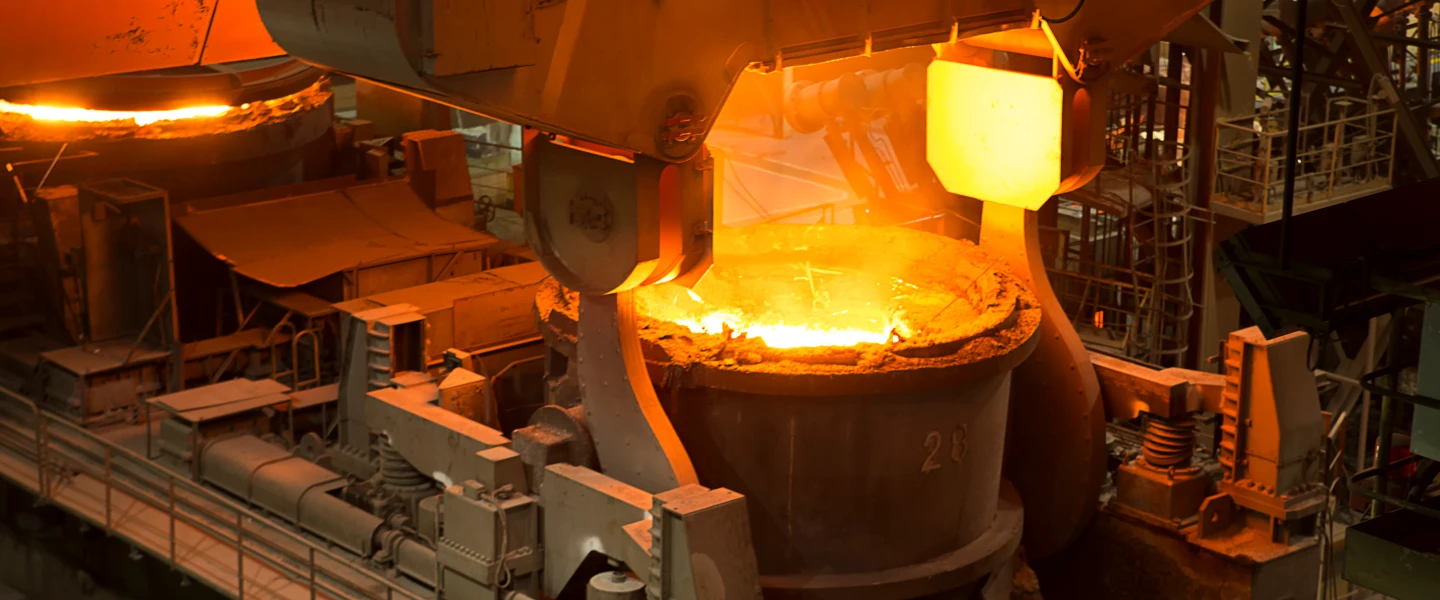
Why Do Aluminum Extrusion Plants Select Different Melting Furnaces Than Die-Casting Plants?
Aluminum extrusion plants have highly specific process requirements for melting furnaces, which primarily focus on the following three aspects:
1. Extremely tight tolerance control of alloy composition:For example, the magnesium and silicon levels in 6063 alloy must stay within a very narrow range. This ensures age hardening in the extrusions and good extrusion yield.
2. High melt purity:3. Continuous, stable integration with the extrusion production line:
This differs from the intermittent, multi-point pouring used in die-casting plants. Aluminum profile extrusion production lines have extremely high requirements for a continuous and stable supply of molten aluminum. The molten aluminum transfer process is often a high-risk area for temperature drop and secondary contamination.
Therefore, aluminum extrusion melting furnaces must focus on large capacity and high thermal efficiency. They must also keep heat well and integrate smoothly with in-line degassing and refining equipment.
Calculate Your Actual Production Capacity Needs
Many companies often choose a furnace that melts only a few dozen metric tons per day. This choice does not match an annual production target of 10,000 metric tons. In reality, a smelting furnace’s capacity depends on the required hourly volume of qualified molten aluminum. It does not depend only on annual output.
The scientific calculation steps are as follows:
1. Daily demand for molten aluminum:
Daily demand equals the net weight of extrusion orders. It includes sprue and riser losses, runner losses, and re-melted process scrap. Convert the total into metric tons of pure, qualified molten aluminum needed per day.
2. Hourly demand:Hourly demand = daily demand / effective production hours.
3. Design melt rate for the furnace:Melt rate = hourly demand × (1.2–1.5), with a 20% to 50% margin built in to account for production fluctuations.
Gas Furnace or Electric Furnace? — Key Considerations for Selecting a Heat Source
Selecting a heat source is a major strategic decision for aluminum extrusion plants. Generally, gas furnaces suit large and medium enterprises.
They work best for single-shift output of 15 metric tons or more.
They offer high thermal efficiency and cost-effective operation.
Electric furnaces suit precision extrusion manufacturing.
They provide precise temperature control.
Selection Decision-Making Logic:
Local Energy Price Considerations:
Balancing natural gas prices against industrial electricity rates
Power Grid Stability Assessment:
In remote industrial areas with unstable voltage, choose high-power electric furnaces with caution. Otherwise, heating elements may need frequent replacement. These elements include resistance wires and silicon-carbon rods.
Environmental Compliance Requirements:
In regions with very strict air pollution rules, modern natural gas low-nitrogen furnaces use proven technology.
They control particulate matter and nitrogen oxide emissions. Compared to old coal or heavy oil furnaces, the pressure to meet environmental rules is much lower. Electric furnaces face stricter carbon audits because of indirect emissions.
Selection Recommendations by Production Scale
Small-scale operations: Choose what is sufficient; do not over-specify.
Medium-scale operations: Balance efficiency and quality.
Large-scale operations: System planning and furnace cluster configuration.
Common issues encountered when selecting a melting furnace suitable for a given production scale:
Q: What size melting furnace do I need for my extrusion plant?
A: Based on your daily aluminum melt needs and production hours, design the furnace melting rate at 1.2 to 1.5 times your hourly demand. This provides a reasonable capacity margin.
Q: Should I use a gas or electric melting furnace for aluminum profiles?
A: Gas furnaces have lower long-term operating costs. Electric furnaces offer more precise temperature control. They also suit specialty profiles needing very high purity.