
Global demand for high-performance, precision aluminum alloys is at a new peak. Rapid growth in new energy vehicles is driving this demand. Growth in aerospace is also increasing demand.
Solar power is adding to the demand. Lightweight manufacturing is another key driver. However, traditional aluminum processing companies are facing three core challenges: high energy consumption, efficiency bottlenecks, and increasingly stringent environmental standards.
Future industry leaders will not focus on scale and output alone. They will focus on deep integration of green manufacturing, smart production, and efficient processing. This article will analyze future trends in aluminum processing. It will share industry insights and a roadmap for change.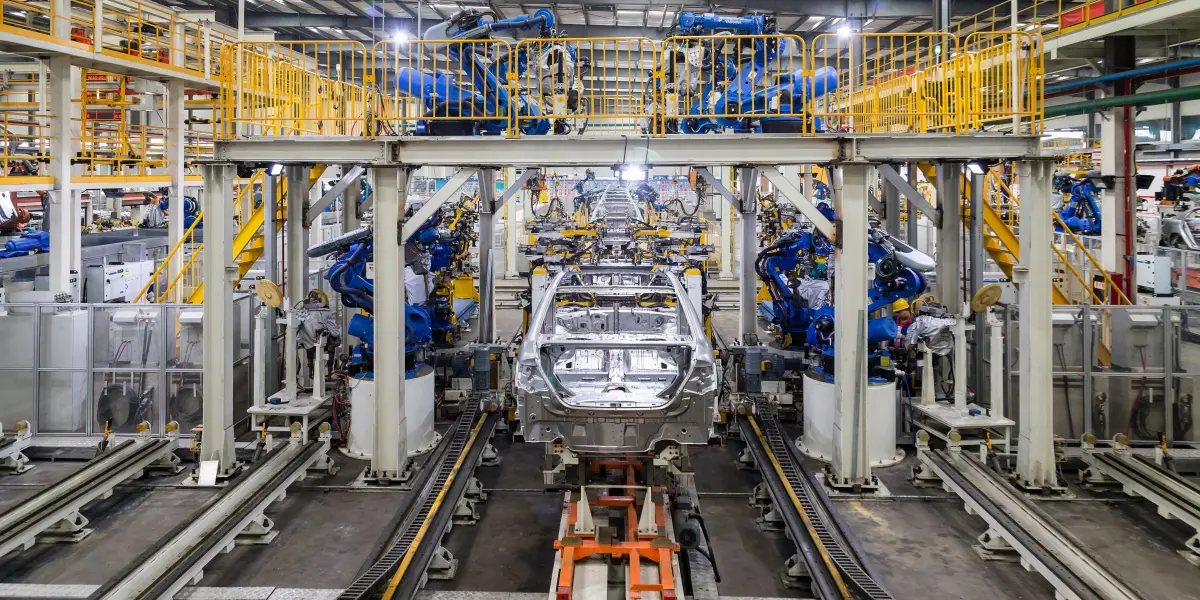
Green Manufacturing Becomes the Core of the Aluminum Processing Industry’s Development
Against the push for global carbon neutrality, green aluminum manufacturing is no longer optional. It is now a must for companies. In the future, aluminum processing companies will rely on carbon footprint control to stay competitive, not just low prices.
1. Recycled Aluminum Technology Drives Low-Carbon Production
The key to achieving sustainable aluminum production lies in the circular economy. Aluminum is highly recyclable, and vigorously developing recycled aluminum technology can significantly reduce the industry’s carbon emissions. Compared to primary aluminum production, recycled aluminum significantly reduces energy consumption and represents the core pathway to low-carbon production.
2. The Application of Clean Energy Is Transforming Production ModelsThe transition to low-carbon aluminum processing requires companies to fundamentally transform production models that rely on traditional fossil fuels. Green electric furnace technology is becoming an industry standard. Improved grid-connected power from solar PV microgrids is also becoming standard. New energy-efficient smelting equipment is becoming an industry standard too.
Smart Manufacturing Drives Efficiency Improvements in Aluminum Processing
As the Fourth Industrial Revolution grows, building smart aluminum factories is key for companies to cut costs. It also helps improve efficiency. Through the deep integration of the Industry 4.0 aluminum manufacturing framework, traditional workshops are undergoing a comprehensive transformation into data-driven, intelligent spaces.
1. Automated Equipment Enhances Production StabilityIn smart aluminum processing, a full-chain closed-loop system is slowly replacing manual work. It includes automated casting, robotic handling, online inspection, and smart packaging. This end-to-end automation upgrade not only significantly reduces human operational errors but also fundamentally improves the consistency of mass-produced products.
2. AI and Data Analytics Optimize Process ParametersBy using high-performance sensors, modern intelligent systems can track key variables in aluminum processing in real time.
They can do this at the millisecond level, including:
Smelting and casting stages: molten aluminum temperature, casting speed, and cooling parameters.
Product quality inspection: AI-powered visual recognition of surface morphology and internal defects.
Advanced Processing Technologies Enhance the Performance of Aluminum Products
Driven by demand from high-end downstream applications, aluminum processing technology is undergoing a profound revolution in materials and processes. Materials used in new energy vehicles must have high yield strength and long fatigue life.
Materials used in aerospace must have high yield strength and long fatigue life. Materials used in high-end precision manufacturing must have high yield strength and long fatigue life.
At the same time, advancements in aluminum extrusion technology have become key to achieving these performance goals. By using ultra-high-tonnage, high-precision extrusion presses, companies can shape complex parts in a single piece.
They also use dies with improved flow channels.
They use computer simulations to plan heat treatment. They can also greatly reduce material waste at the start of processing.
Digital Management Builds an Efficient Aluminum Processing Production System
The inevitable path toward high-end manufacturing lies in building a transparent, traceable digital aluminum manufacturing ecosystem. By deploying a modern aluminum production management system, factories can create a shared data base.
It supports production tracking, order scheduling, real-time quality recording, and equipment status monitoring.
More importantly, professional-grade suppliers are setting up a full-lifecycle quality tracking system. It covers “raw material intake → smelting → casting and crystallization → extrusion/rolling → precision inspection → final shipment.”
This data chain spans the full industrial chain. It enables defect prediction through data analysis. It also gives global high-end customers delivery transparency.
This transparency meets international quality standards. It highlights the company’s strong collaborative capabilities.
Energy Conservation and Consumption Reduction Become Key to Future Competitiveness
With carbon taxes and energy costs rising, efficient and energy-saving aluminum processing is now key for cost control. Building an energy-saving system for low-carbon aluminum plants requires focusing on three core stages:
First, during smelting, we use regenerative combustion technology to burn fuel more efficiently. This helps reduce metal loss from burning.
Second, during casting, optimize the cooling water circulation system and mold design.
This will greatly reduce the use of water, electricity, and natural gas.
Finally, in the value-added processing stage, reduce geometric scrap from trimming and de-burring through lean manufacturing.
This end-to-end, resource-focused management helps enterprises build a cost moat. It also aligns with global supply chain requirements for a low carbon footprint.
What core capabilities will aluminum processing companies need to develop in the future?
To understand future trends in aluminum manufacturing, future leaders must build strong skills in key areas. These skills should be systematic and well organized. They will help leaders spot new directions in the aluminum industry.
Green, low-carbon production system
We have strong capabilities to use recycled aluminum and green electricity conversion technologies. We can provide certification for products with a low carbon footprint.
Smart automated equipment + data management
Centered on industrial robots and MES systems. Achieve efficient coordination on production lines and minimize the need for manual labor.
Highly Optimized Process Flows
We combine lean mold design with advanced heat treatment. This helps achieve high utilization and zero-defect manufacturing.
End-to-End Quality Inspection
Add full-process quality control measures. Use online flaw detection and AI visual inspections. This helps deliver defect-free products.
Innovative New Materials R&D
Possessing the R&D capabilities to jointly develop new high-performance aluminum alloys with downstream customers.
Conclusion
The global aluminum processing industry is entering a new phase. This phase focuses on high quality, low carbon, and smart manufacturing. Future competition in the industry will not be a simple contest of production capacity. Instead, it will be a broader contest in green manufacturing, digital efficiency, and advanced processing technologies.
Successful aluminum processing companies must keep up with this trend. They should keep investing in low-carbon, eco-friendly technologies.
This will help reduce their environmental impact. They must utilize smart systems and highly automated equipment to upgrade production efficiency, and rely on lean manufacturing processes to ensure exceptional product quality. Only by focusing on green and smart transformation can aluminum processing companies keep a long-term competitive edge. They can also achieve sustainable growth in the global high-end manufacturing supply chain.