
Aluminum extrusion involves multiple stages, including die design, extrusion, heat treatment, finishing, surface treatment, and logistics. Any disruption in these stages can lead to delivery delays, quality fluctuations, and cost overruns. End-to-end customization means one supplier is responsible for the entire supply chain.
This includes everything from raw materials to finished products.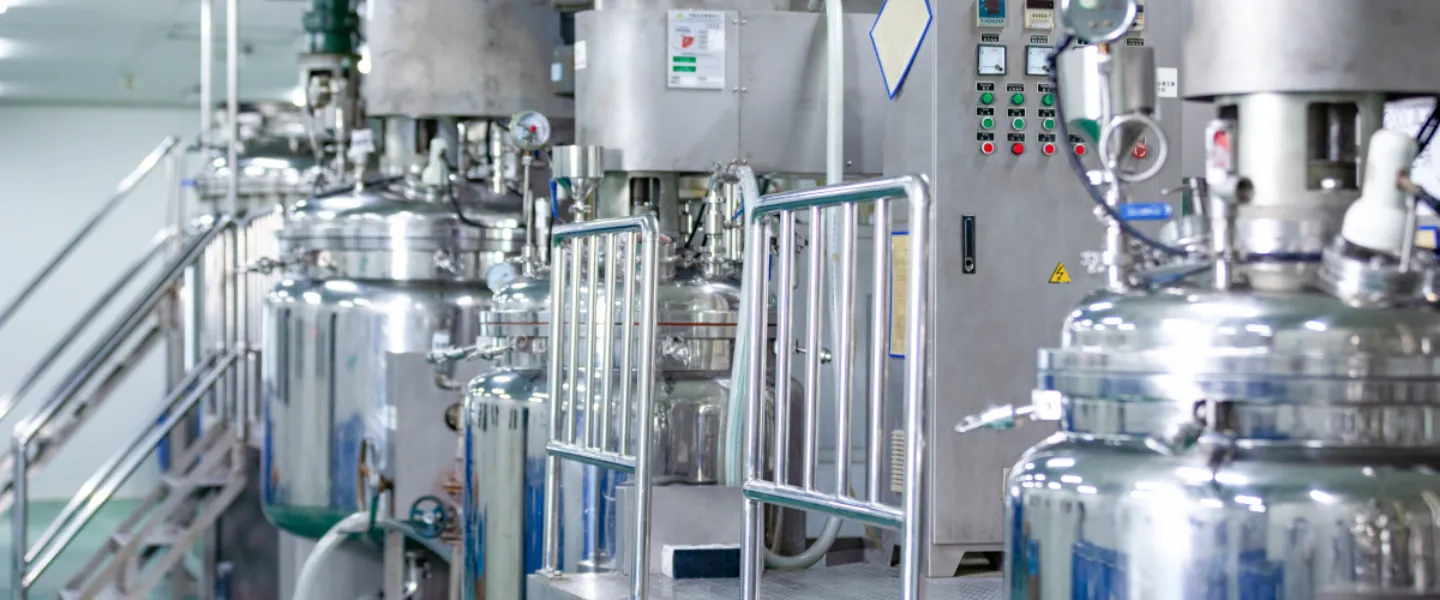
What Constitutes End-to-End Customization in the Field of Aluminum Processing?
End-to-end customization in aluminum processing is a vertically integrated service model. One supplier manages every production stage.
This includes die design and finished product delivery. This reduces quality fluctuations and delivery risks. These issues often occur when working with multiple suppliers.
It differs from the traditional “segmented outsourcing” model. In that model, one company handles design.
Another handles extrusion, yet another handles surface treatment. Many vertically integrated factories have high yearly production capacity and manage everything in-house. They handle design for manufacturing, tooling, CNC post-processing, surface treatment, and logistics. This can greatly shorten delivery times.
Three Core Advantages of End-to-End Customization
Advantage 1—Controllable Lead Times
End-to-end customization eliminates waiting and coordination time between suppliers.
Under a vertically integrated model, die changes, extrusion, and finishing happen in one system. This setup lets teams fix issues in hours, not days.
Advantage 2—Consistent Quality
A single supplier handles the full process. This prevents blame shifting for quality issues. It also ensures full traceability, from the aluminum billet composition to the finished surface treatment.
An in-house tooling modification team ensures high precision for every profile. Strict process and product controls are maintained throughout the entire chain. This includes dimensional inspection, chemical analysis, mechanical testing, and CMM measurements.
Advantage 3—Total Cost Optimization
While end-to-end customization may raise the unit price, the total cost of ownership is often lower.
This is due to lower coordination costs, reduced scrap rates, and shorter lead times. This approach completely eliminates the hidden losses associated with inventory and capital tied up due to external delays.
Why Is the “Extrusion-Only” Business Model Becoming Increasingly Unsustainable?
Competition in the aluminum extrusion industry is shifting from “extrusion capacity” to “solution capabilities.” The main drivers of growth in the global market come from rising demand for ready-to-use custom profiles. This demand is growing in industries such as construction, automotive, and electronics.
As the largest end market, the construction sector continues to raise its standards for delivery precision and surface quality. Factories that only offer extrusion services risk being pushed out by integrated competitors. Customers increasingly prefer fewer suppliers to reduce management complexity.
How Does End-to-End Customization Affect the Product Development Cycle?
During development, engineering teams work with customers from the mold design stage to improve manufacturability.
This helps lower costs and reduce mold lead times for custom components. Excellent suppliers do more than simply request drawings. They engage in dialogue to understand the true function of the profiles. And work together to develop solutions that balance form, performance, and cost.
Typical Stages of the Development Process:
Requirements Discussion and Functional Definition
Alloy Selection and Design for Manufacturability (DFM) Analysis
Mold Design and Prototype Extrusion
Final Machining and Surface Treatment Determination
Mass Production Preparation and Quality Control Plan
Value in Practice
In a customization project for a 3D printer maker, the customer needed an aluminum extrusion. It had to work as a hook and a printing platform, engineers were involved from the design phase.
They developed an optimized extrusion using precision extrusion. They completed surface treatment, laser engraving, CNC machining, and prototype production. The entire process was carried out entirely in-house, enabling rapid testing, flexible production volumes, and precise delivery.
Frequently Asked Questions (FAQ)
1.What is the definition of end-to-end customization in aluminum extrusion?End-to-end customization means one supplier manages the full process, from die design to final delivery. This includes extrusion, finishing, surface treatment, and logistics.
2.How does vertical integration improve quality control?Because every stage operates within the same quality system, issues are traceable and accountability is clear.
How to Evaluate End-to-End Customization Suppliers?
The evaluation criteria are as follows:
Mold Capabilities: Do they have an in-house mold shop?
Extrusion Capabilities: What is the tonnage and number of their in-house extrusion presses?
Surface Treatment: Do they have in-house capabilities for anodizing and coating?
Quality Control: Do they have a fully equipped testing laboratory?
Logistics Services: Can they provide packaging and delivery solutions?
Conclusion
End-to-end customization is not merely a “service option,” but a threshold of capability. As the aluminum extrusion industry becomes more concentrated, end customers increasingly demand ready-to-use components. Factories with vertical integration capabilities will gain a structural advantage.